Genny Petrotta
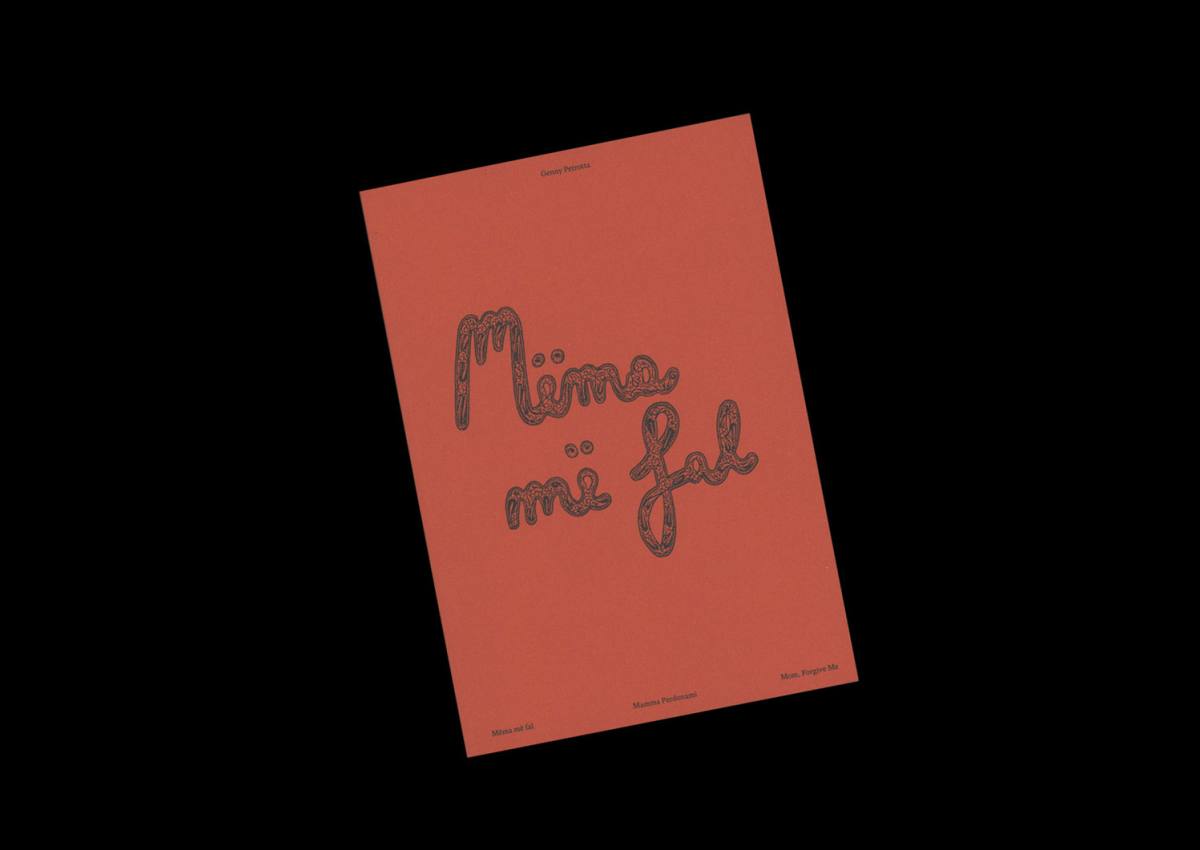
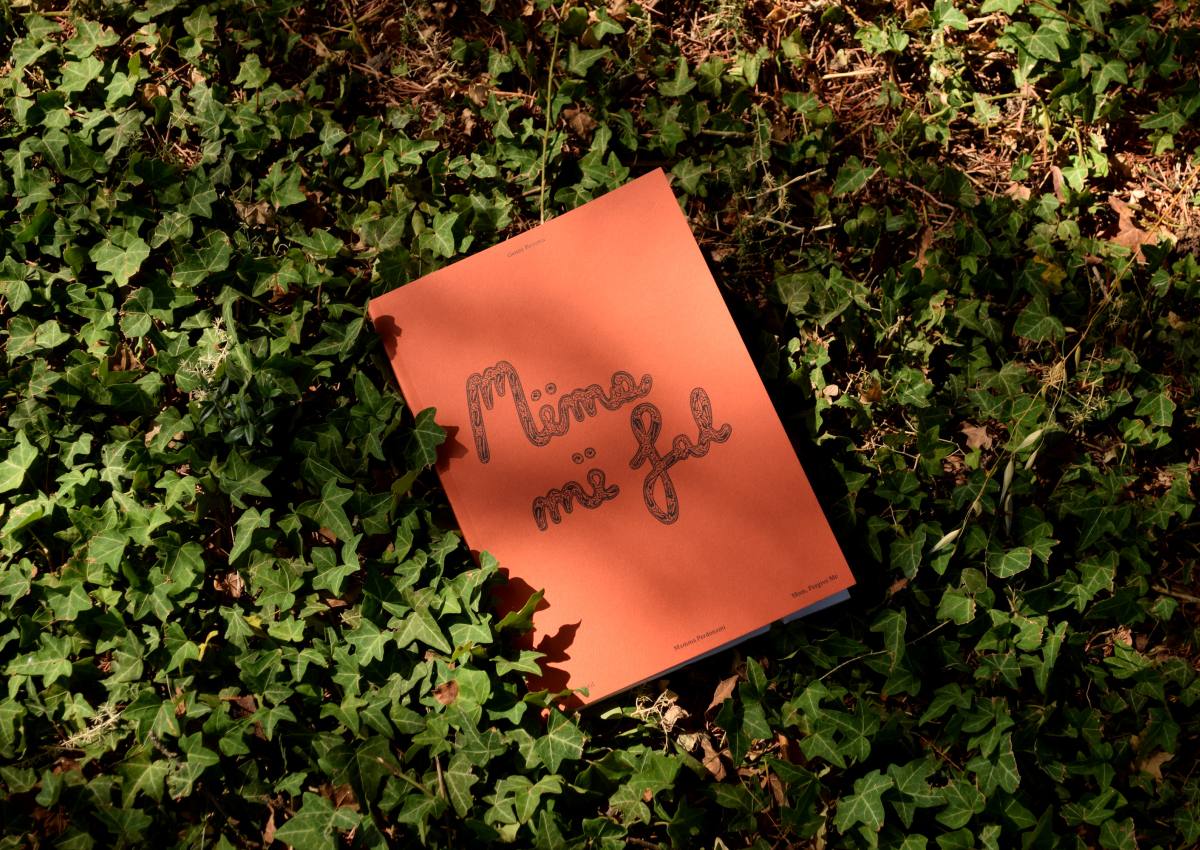
Mëma më fal. Mom, Forgive Me
€ 18
Project coordinated by Isabella Anna Moren
Produced by Fondazione Studio Rizoma
Texts by Laura Barreca, Eva-Maria Betschy, Renzo Del Carria, Douglas Estevam, Angela Lanza, Giulia Luppino, Emanuele Macaluso, Giacomo Petrotta, Genny Petrotta, Claudio Reale, Giuseppe Schirò di Modica
108 pp.
19 X 27 cm
ita/eng
2025
ISBN 979-12-81790-37-7
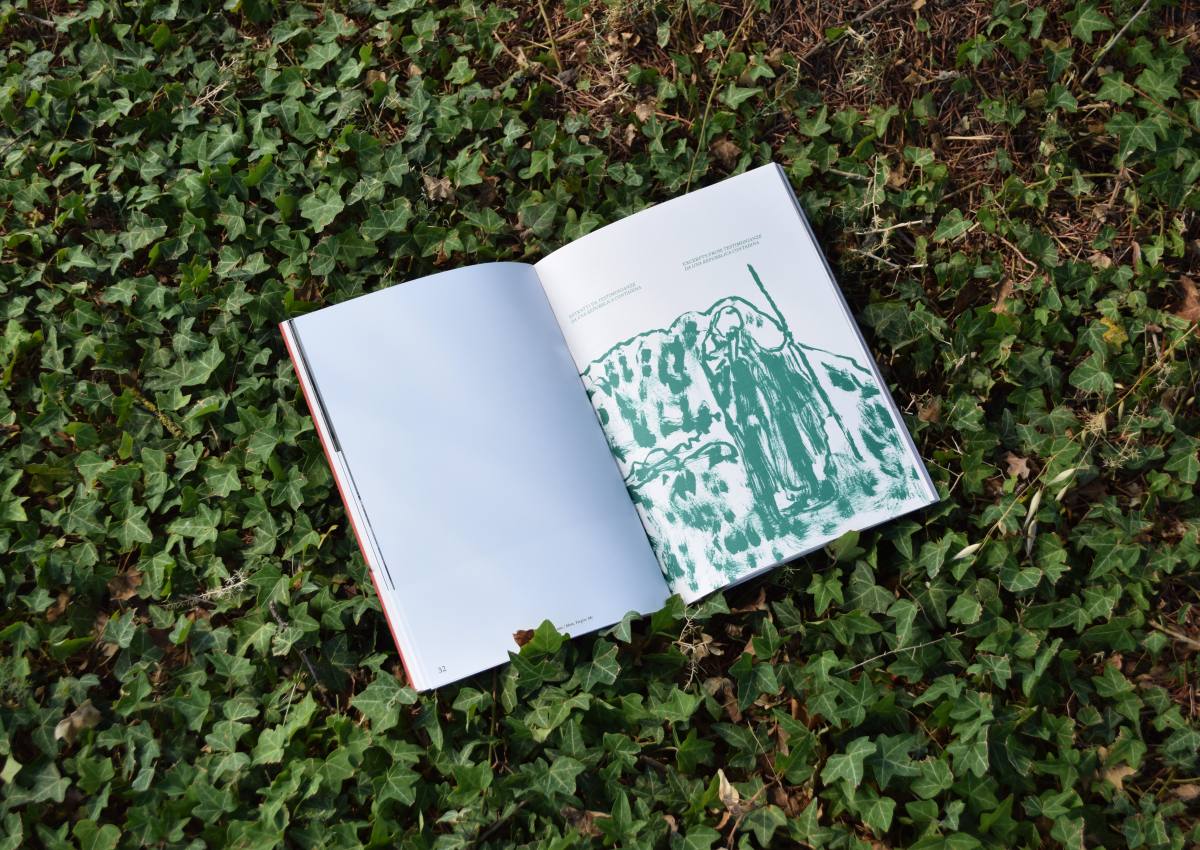
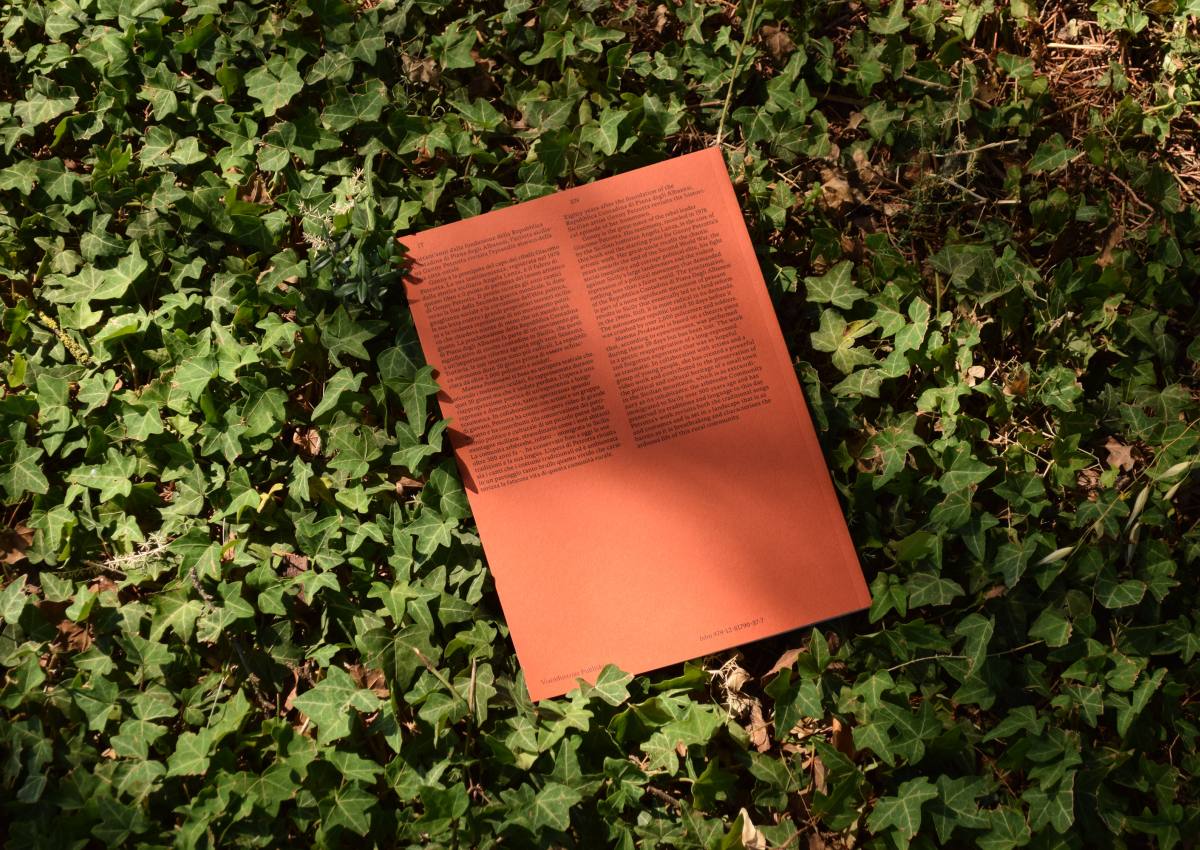
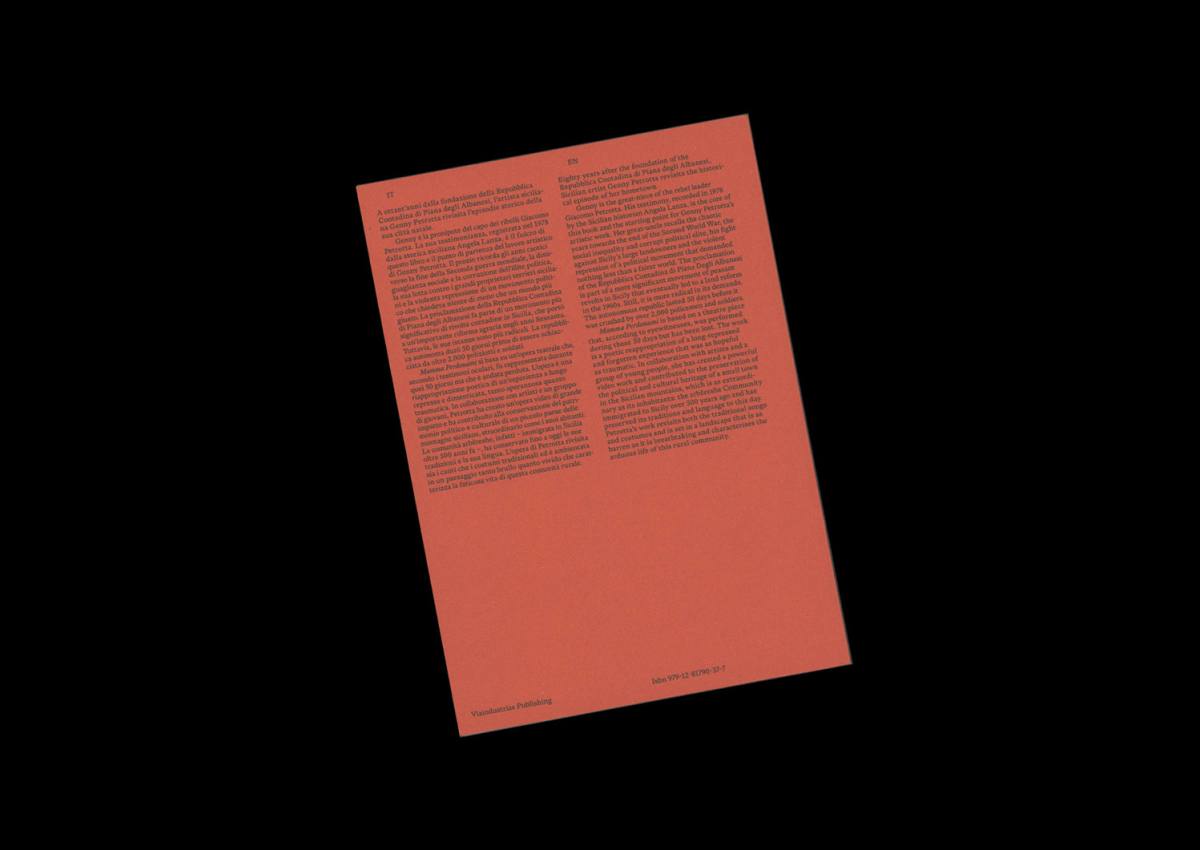
Eighty years after the foundation of the Repubblica Contadina di Piana degli Albanesi, Sicilian artist Genny Petrotta revisits the historical episode of her hometown. Genny is the great-niece of the rebel leader Giacomo Petrotta. His testimony, recorded in 1978 by the Sicilian historian Angela Lanza, is the core of this book and the starting point for Genny Petrotta's artistic work. Her great-uncle recalls the chaotic years towards the end of the Second World War, the social inequality and corrupt political elite, his fight against Sicily's large landowners and the violent repression of a political movement that demanded nothing less than a fairer world.
The proclamation of the Repubblica Contadina di Piana Degli Albanesi is part of a more significant movement of peasant revolts in Sicily that eventually led to a land reform in the 1960s. Still, it is more radical in its demands. The autonomous republic lasted 50 days before it was crushed by over 2,000 policemen and soldiers.
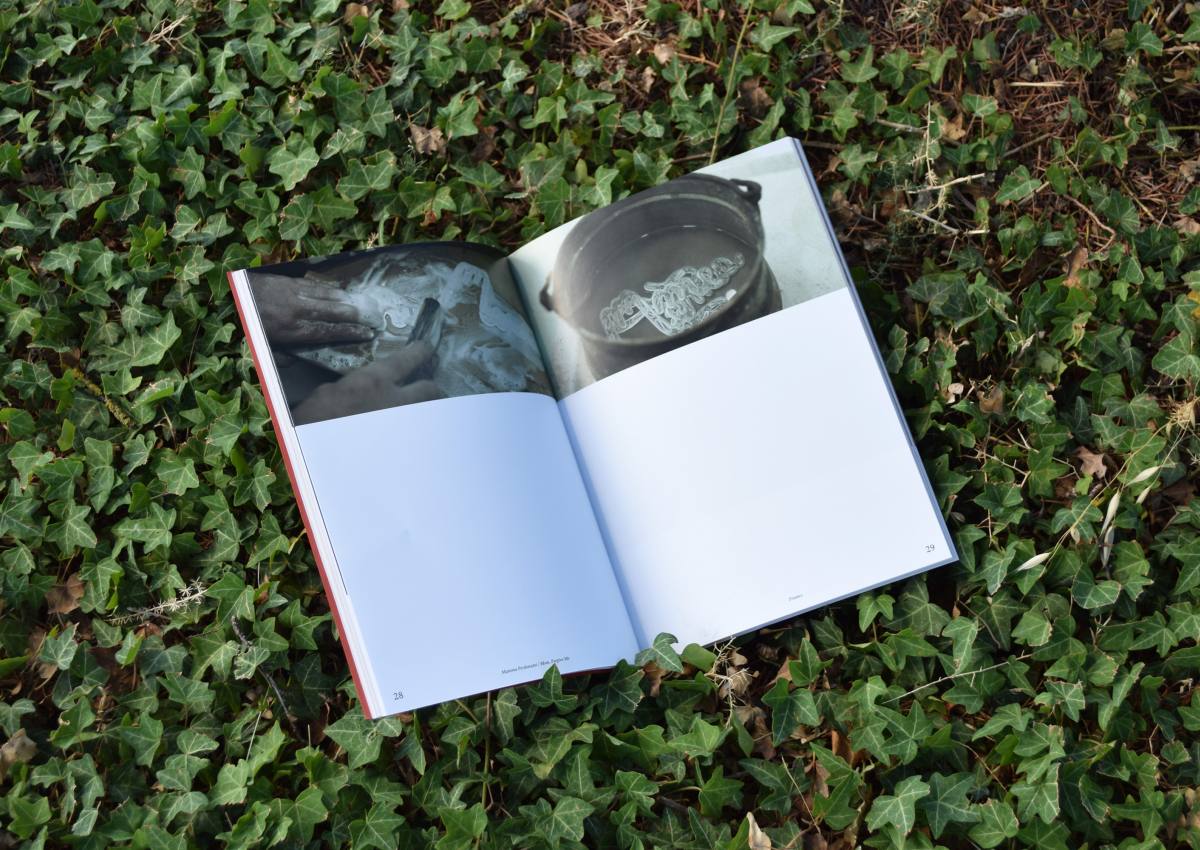
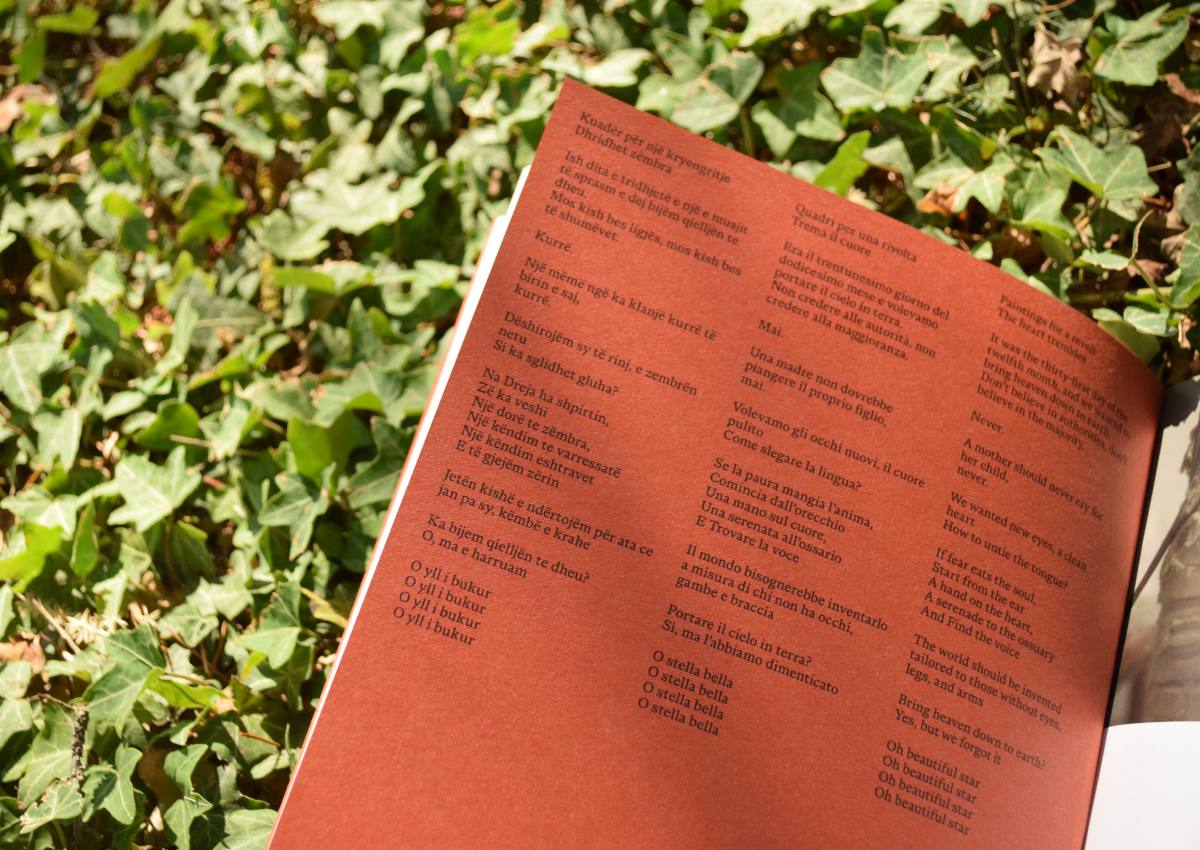
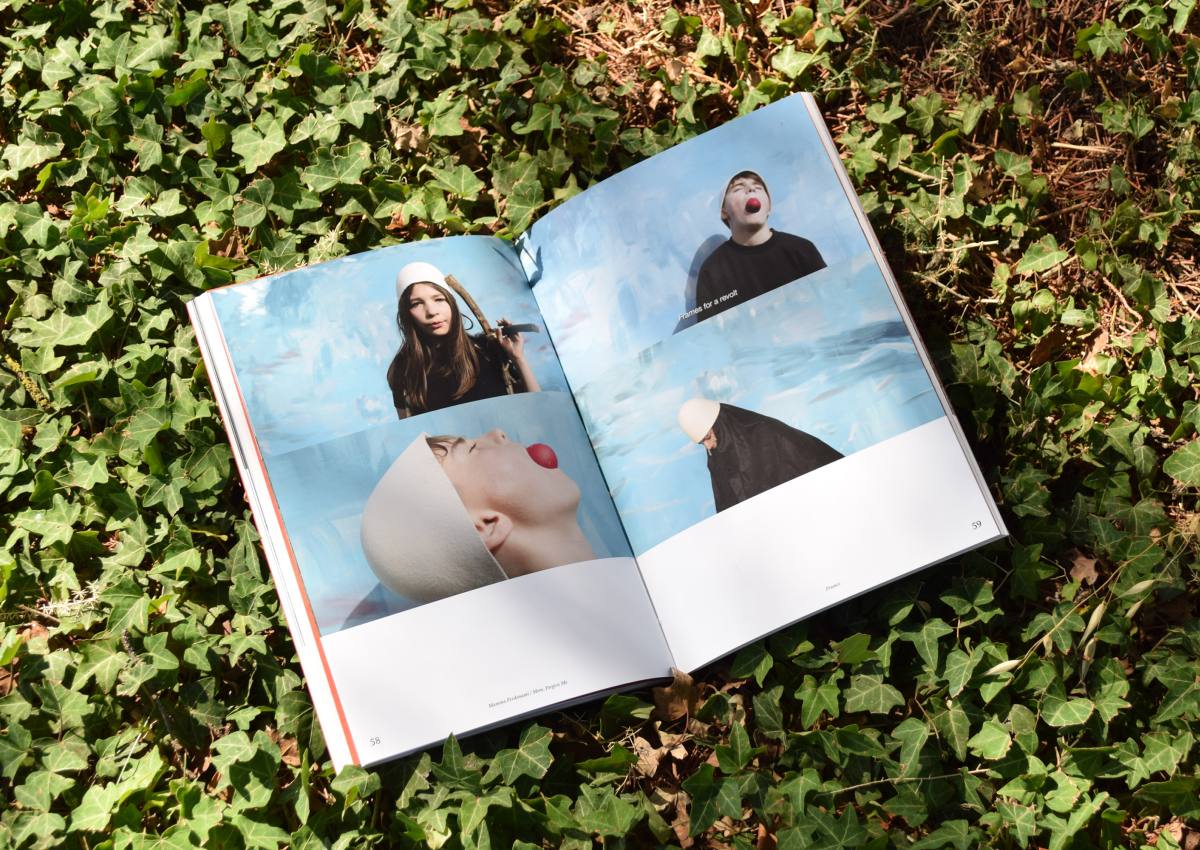
Mamma Perdonami is based on a theatre piece that, according to eyewitnesses, was performed during these 50 days but has been lost. The work is a poetic reappropriation of a long-repressed and forgotten experience that was as hopeful as traumatic. In collaboration with artists and a group of young people, she has created a powerful video work and contributed to the preservation of the political and cultural heritage of a small town in the Sicilian mountains, which is as extraordinary as its inhabitants: the arbëreshe Community immigrated to Sicily over 500 years ago and has preserved its traditions and language to this day.
Petrotta's work revisits both the traditional songs and costumes and is set in a landscape that is as barren as it is breathtaking and characterises the arduous life of this rural community.